Throat and mouth cancers, broadly known as oropharyngeal cancers, linked to HPV are on the rise, mostly in middle-aged and older men, data suggests. These cancers affect the back of the throat along the tonsils and the base of the tongue. A 2023 study of the U.S. found that cases of HPV-related oropharyngeal cancer had more than tripled between 1988 and 2004, with the bulk of that trend driven by male patients. This trend continues worldwide today, with one Danish study finding another tripling between 2000 and 2017.
So what's driving this trend, and what can be done?
HPV is an umbrella term that includes many viruses; those that cause cancer are known as "high-risk HPV." These high-risk strains spread during sex, including oral sex, making the leap from one body to another through tiny cuts in the skin or mucous membranes.
About 80% of sexually active adults will contract the virus in their lifetimes, usually within a few months to years of starting to have sex, according to the National Cancer Institute; about half of those cases are high-risk HPV. Most people's immune systems clear the virus within a year or two, but in some people, HPV lurks in the body and causes DNA damage that can turn cells cancerous.
There are 12 types of high-risk HPV, which are known to cause anal cancer, cervical cancer, oropharyngeal cancer, penile cancer, vaginal cancer and vulvar cancer. Two strains, known as types 16 and 18, are the most likely to cause cancer.
Anal cancer, penile cancer, vaginal cancer and vulvar cancer rates are all rising, too, although oropharyngeal cancer is more common than any one of these.
Why are throat and mouth cancers on the rise?
According to data from the U.S. Centers for Disease Control and Prevention, an average of 13,600 cases of oropharyngeal cancers likely caused by HPV are diagnosed in men each year. By contrast, there are 2,400 newly diagnosed cases in women per year. The number of cervical cancer cases likely caused by HPV each year is currently around 11,100.
Thanks to widespread vaccination and screening, Australia is expected to eliminate cervical cancer by 2035, and other countries are progressing toward that target too. Rates of cervical cancer have also dropped in young women in the United States, with declines of over 50% in the states with the highest vaccination rates in 2016-2021, compared with 2000-2005, before the vaccine was introduced.
The adoption of HPV vaccination among both male and female patients should lead to an eventual decline in oropharyngeal cancers, as it has in cervical cancer. But because HPV can lurk in the body and wreak havoc long after a person is initially exposed, risks for older individuals who were not vaccinated as young people still persist.
About 80% of oropharyngeal cancer cases are in men, and 40% are in people over the age of 65, who became adults after the sexual revolution of the 1960s. At that time, having multiple sexual partners became more common, but this was well before the first HPV vaccine, Gardasil, became available in 2006.
HPV-related throat and mouth cancers are challenging to screen for, so often, people don't get diagnosed until after symptoms start to emerge. (Image credit: vitapix via Getty Images)As people with chronic HPV infections age, the immune system may do a poor job of keeping the virus in check, said Electra Paskett, a cancer epidemiologist at The Ohio State University College of Medicine. Other factors, such as chronic stress, may also play a role in the immune system losing grip on the germ. That's likely why a virus contracted decades ago can cause cancer in middle-aged or older people.
Why men?
Men are likely more susceptible than women to oropharyngeal cancer for a few different reasons.
One study of patients in Baltimore found that men were more likely than women to have oral HPV infections, with their degree of risk tied to their number of recent oral and vaginal sex partners. Performing oral sex was linked to oral HPV infection in men in the study but not women. In addition, men were slower to clear these HPV infections than women, perhaps indicating immune system differences that make men more prone to chronic HPV of the throat and mouth.
Are there ways to screen for HPV oropharyngeal cancers?
When it comes to throat and mouth cancer, "we just don’t have any good screening, diagnostics or interventions like we have developed for cervical cancer," said Dr. Diane Harper, an HPV expert at the University of Michigan Medical School.
For example, Pap smears detect precancerous cells in the cervix, allowing doctors to remove them before they turn fully cancerous, and HPV tests look directly for the virus's genetic material. But it's not possible to take swabs or biopsies of the back of the throat without causing serious discomfort and damage, Harper told Live Science.
Due to the lack of screening, most cases of oropharyngeal cancer are diagnosed after a patient develops symptoms, like a lump in their throat or neck, Paskett told Live Science. Luckily, HPV-linked oropharyngeal cancers respond well to treatment: The five-year disease-free survival rate is 85% to 90%, meaning the vast majority of patients respond to treatment and survive their cancer. Additionally, the recurrence rates are lower than in oropharyngeal cancers that aren't linked to HPV.
However, the treatment is "grueling," Paskett said, with side effects from radiation including mouth sores, nausea, loss of appetite and weight loss.
HPV vaccination is mostly thought of as preventing cervical cancer, but it should also drive down rates of other HPV-related cancers in the long run. (Image credit: Anchiy via Getty Images)Should more men get vaccinated?
People who have been vaccinated against HPV have lower rates of oropharyngeal cancer. The HPV vaccine is approved for people ages 9 to 45, but doctors recommend vaccination for people under age 26. That's because, for older adults who became sexually active before vaccination was available, an HPV shot may not reduce their cancer risk. The vaccines help only before HPV infection occurs.
However, Harper said, patients ages 26 to 45 who haven't been vaccinated yet should talk to their doctors about their sexual history and current sexual activity to decide if the shot might benefit them.
As for patients older than 45, clinical trial data suggests that the vaccine is safe for all ages and effective for anyone who hasn't already had HPV. While the pharmaceutical company Merck tested the Gardasil vaccine on patients up to age 26, another vaccine — GlaxoSmithKline's Cervarix — was tested in people up to 80 years old. Although Cervarix isn't available in the U.S., the results of those clinical trials suggest that in general, HPV vaccination is safe and effective for older adults too, Harper said.
Say a person has had few sexual partners and is expected to be monogamous for life, but they suddenly find themselves divorced or widowed after age 46. That person might consider getting the HPV vaccine series before reentering the dating pool, Harper suggested.
"It really is an individual decision and depends [on] how risk-averse people are to the consequences of HPV," she said. Insurance might not cover the shot because it is not officially approved for that over-45 age group. But sometimes, Harper recommends that her older patients still get it if they are willing to pay out of pocket.
By comparison, she said, the decision is much easier for young people.
"For parents, I beg — I beg [you] to please consider vaccinating both your girls and your boys," she said. "If you do it at the age of 15 or younger, they only need one shot," she added. Recent clinical trials show that one dose of the vaccine, if delivered before the age of 16, is as effective as two. That said, official recommendations still suggest that patients get two doses of the vaccine if they start the series before age 15, and potentially three doses if they start later.
Those choices made during a person's childhood could have a huge impact on their health down the line. "We're hoping, 30 years from now, we'll be able to say, 'Wow, oropharyngeal cancer just plummeted.'"
This article is for informational purposes only and is not meant to offer medical advice.
'> As cervical cancer rates fall, HPV is causing more throat and mouth cancers in men — why? .
Human activities are driving global warming through the widespread and continued burning of fossil fuels, along with other activities that emit carbon dioxide (CO2) and other greenhouse gases into the atmosphere. These gases trap heat by absorbing radiation.
Copernicus estimates global SST using satellites with temperature-measuring sensors. These showed that the SST hit 21.1 degrees Celsius (69.98 degrees Fahrenheit) Saturday, surpassing the previous high of 21.09 C (69.96 F), recorded in 2024 — the hottest overall year on record. The 2024 records were fueled by Earth's last El Niño, which was on the cusp of the "super" threshold, so not as extreme as what's forecast this time.
The latest SST is particularly eye-catching because it's unusual to have a record daily high so late in the year. The hottest daily temperatures are typically recorded in March and April, after the Southern Hemisphere's summer, Copernicus representatives wrote in the statement.
Copernicus representatives noted that the record is consistent with long-term warming and the emergence of an extreme El Niño event. The new data is also in line with what Copernicus has documented in recent months. Both June and July saw record-high average SSTs for their respective months. The rising temperatures highlight that our ocean is "under unprecedented strain," the statement noted.
A warming ocean means increased sea level rise and a higher risk of marine heat waves, according to Copernicus. Rising sea levels threaten coastal communities around the world. Meanwhile, the warmer waters harm coral reefs and other key marine ecosystems, which, in turn, affects food webs and the people who depend on these systems. Ocean warming also influences our weather systems and fuels global warming, which causes more ocean warming.
El Niño conditions are still ramping up, and we won't know their full extent until later this year and next year. However, the National Oceanic and Atmospheric Administration's Climate Prediction Center forecasts a more than 90% likelihood of very strong El Niño conditions emerging in the fall and winter.
Last week, the U.K.'s Met Office announced that this year's El Niño will be the largest in living memory and likely the biggest since the 19th century.
In the U.S., El Niño often brings warmer winters to Northern states, while Southern states are more likely to experience stormier weather. However, every El Niño is unique.
'> Ocean 'under unprecedented strain' as El Niño helps supercharge warming to record levels
The findings suggest that severe COVID-19 may wake up dormant viruses, and "once awake, they may add to the inflammation that makes COVID-19 worse," Cliffe told Live Science in an email.
What's more, "if our findings on Anelloviridae and long COVID are validated, then it would really create a lot of urgency around better understanding these viruses and developing antivirals for them," study co-author Dr. Esther Melamed, a neuroimmunologist at the University of Texas at Austin, told Live Science.
Viral reactivation
The study tracked 1,154 adults who'd been hospitalized with COVID-19 cases of varying severity, following them for a year. The researchers gathered blood samples and nasal swabs, as well as lung fluid samples from the ventilated patients. These samples were taken at six time points during the first month, and then at three, six, nine and 12 months.
The team ran tests to look for viral RNA, a genetic cousin of DNA, as a sign that these lingering viruses were reactivating during and after their infection with SARS-CoV-2, the virus that causes COVID-19. The results showed that many dormant viruses awakened during the acute infection, particularly members of the herpes family — EBV, CMV and HSV — and anelloviruses.
Each virus followed its own timeline of reactivation, with EBV and anelloviruses appearing early, and CMV and HSV later. And each was linked to its own set of immune and metabolic changes and clinical complications in the patients.
This widespread viral reactivation occurred even in people whose immune systems were not weakened. Nearly half of the patients in the study — 550 out of 1,148 — had at least one virus reactivate.
After the acute infection had passed, a percentage of the patients developed debilitating symptoms of long COVID, including fatigue and a reduced ability to complete everyday tasks, like dressing or walking. In these patients, anelloviruses were more likely to remain active after the acute phase of the COVID-19 infection.
Cliffe said the study had several strengths, including the year-long follow-up with repeated sampling. She highlighted that the team also replicated their main findings in a separate group of patients whose blood samples were included in a Mount Sinai biobank.
Long COVID has a range of symptoms, including racing or irregular heart beat, sleep issues, brain fog, fatigue and post-exertional malaise, in which symptoms grow significantly worse after physical or mental exertion. (Image credit: Guido Mieth via Getty Images)How COVID could reawaken viruses
The idea that herpesviruses can reactivate in healthy people, not just in those with weakened immune systems, is not new, Cliffe said. Previous research has shown that astronauts and Antarctic researchers, "who are about as healthy and rigorously screened as people get," can experience this reactivation and then shed multiple herpesviruses during periods of acute physical and psychological stress.
Viral reactivation may happen when the immune system lets down its guard, Melamed thinks. Viruses from past infections hide in different cells across the body, and usually, the immune system "sort of stands as the guard at the door, preventing them from waking up and getting out of those cells," she said.
But when the body encounters a huge stressor — such as a severe infection, an important exam, sleep deprivation or surgery — the immune system has to redirect its attention, Melamed explained. "When the guard walks away from the cell, then these viruses have the opportunity to wake up and do whatever they want," she said.
Cliffe suggested another possible mechanism. "For HSV-1 [which mostly causes cold sores], our own lab's work has shown that inflammatory signals the body produces during illness can directly wake the virus up from latency in neurons," she said. They've found that a molecule that signals the immune system, called IL-1, triggers HSV-1 activation in neurons by making the cells super excitable.
"Other groups have separately shown that IL-6," another immune-signaling molecule, "can do something similar in animal models," she said.
Cliffe cautioned that detecting viral RNA shows that a gene in the virus is switching on, but that metric isn't as convincing as finding whole new infectious particles in the body. That said, she noted that the authors did try to address this limitation with additional layers of evidence. For instance, they found both RNA of EBV and antibodies against it, as well as higher quantities of specific immune cells the virus is known to hide in, she said.
The other major caveat of the study, which the authors acknowledged, is that the link between virus reactivation and worse clinical outcomes is a correlation, not proof of the cause.
"The next step is to do prospective interventional trials to test whether antiviral medications for these reactivating viruses could help improve outcomes for people," Melamed said. They would explore this in both severe COVID-19 and long COVID.
This article is for informational purposes only and is not meant to offer medical advice.
'> Severe COVID-19 may wake up dormant viruses and lead to lasting physical disability, study finds Our tech-savvy colleagues at TechRadar and T3 have put Proton VPN to the test and rate it highly. The VPN service received 4½ stars out of 5 on both sites. TechRadar ranks Proton VPN as its 'best VPN service for privacy', while T3 rates it as a 'feature-packed all-rounder VPN'.
Grab up to 70% off a two-year Proton VPN plan.
Whether you're relaxing on a beach or waiting at an airport gate, one of the best VPN services encrypts your traffic and bypasses geo-blocks, giving you seamless access to your favorite UK streaming services on the go.
Proton has over 15,000 servers across 145 countries, including Africa, the Middle East and Asia, making Proton VPN the right tool for those looking for some serious streaming performance from anywhere.
Save 70% on a 2-year subscription to Proton VPN. Aside from watching what you want, whenever you want, Proton VPN protects your privacy, blocks ads and does much, much more, all in the name of keeping you safe online. There are three plans to choose from: 2-year, 1-year or just 1-month, but the 2-year plan is the best value.
Check out the best VPN plan for you at Proton VPN.View Deal
 Released last year, Kingdom (BBC) follows groups of leopards, hyenas, wild dogs and lions as they fight to survive in wild parts of Zambia.BBC Studios
 Walking With Dinosaurs (BBC) was originally released in 1999, but a new series of the same name hit screens last year.BBC Studios
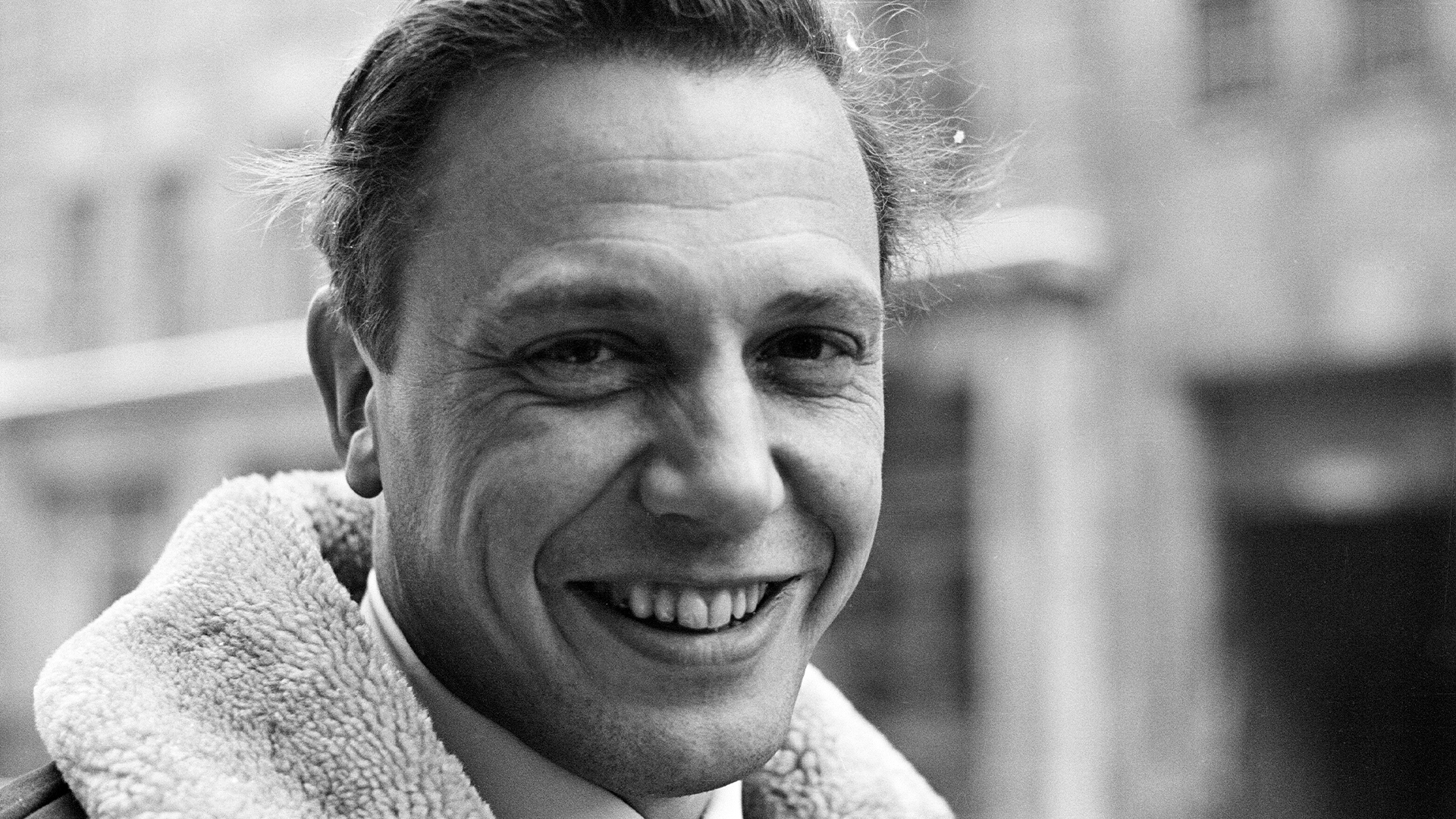 The BBC iPlayer is the place to watch all of David Attenborough's nature documentaries.Mirrorpix / Contributor / Getty Images
Whether you're watching streaming services, surfing the internet or working in a public location, using a secure, reliable VPN when you're not at home is the safest way to access all your usual digital content.
Reviews from our colleagues at TechRadar and T3 have shown that Proton VPN is a market leader for good reason. With a comprehensive range of built-in protections, it's as safe as it gets, download speeds are very high and it works extremely well if you want to access your streaming services away from home. In testing, NordVPN was able to get around geo-blocking restrictions to access the BBC iPlayer, Netflix, Amazon Prime and Disney Plus.
Using Proton VPN, you can enjoy the huge libraries of content these streaming services offer wherever you are in the world on your travels. Some highlights for us are on the BBC iPlayer and the fascinating natural history documentaries from Sir David Attenborough, including Kingdom, Planet Earth III and the incredible The Blue Planet.
A real must-see for Attenborough fans is 100 Years on Planet Earth, a 90-minute special broadcast from the Royal Albert Hall, London, celebrating Sir David Attenborough's groundbreaking career to mark his 100th birthday.
Key features: 70% discount when signing up for two years, and includes a high-speed VPN, NetShield Ad-Blocker, multi-device support with up to 10 devices on one subscription, secure core architecture, built-in kill switch, full network of server locations (140+ countries) and more.
Price history: Proton VPN has been as cheap $2.49 per month, and that was for Black Friday last year. This current deal at $2.99 is the lowest it's hit since then and therefore one of the best value VPN offers we've seen this year.
TechRadar: ★★★★½ | T3: ★★★★½
✅ Buy it if: You want a VPN service that's rated as one of the best around, and now at a heavily discounted price.
❌ Don't buy it if: You're already signed up for a reliable VPN service or don't feel the need for one.
Check out our other guides to the best telescopes, binoculars, cameras, star projectors and much more.
We test and review VPN services in the context of legal recreational uses. For example: 1. Accessing a service from another country (subject to the terms and conditions of that service). 2. Protecting your online security and strengthening your online privacy when abroad. We do not support or condone the illegal or malicious use of VPN services. Consuming pirated content that is paid-for is neither endorsed nor approved by Future Publishing.
'> Stream the entire BBC iPlayer Attenborough collection anywhere with this top-rated VPN deal