Finally, the doctors agreed with the initial diagnosis: The pilot was experiencing migraines. The causes of migraine are not fully understood, although genetics and environmental factors may contribute to both the duration and intensity of migraine pain in a given individual.
Indian Air Force (IAF) fighter jets photographed in 2019. The patient's headaches were sometimes so bad that they stopped him from conducting scheduled flights. (Image credit: Abhishek Singh via Getty Images)The treatment: The pilot was given the migraine medicine sumatriptan, to be taken at the first sign of pain, and aspirin, to be taken during headaches. He was allowed to continue flying under restricted conditions, and he had to report to a military neurologist for monthly reviews over the next three months.
Four months later, he was headache-free and had stopped taking medication, according to the report. However, his superior officers needed a detailed medical review before they could restore his unrestricted flight status, as severe migraines can disqualify pilots from flying.
Over three days, doctors conducted in-depth interviews with the pilot, focusing on the first appearance of his symptoms and the circumstances leading up to his headaches. They were puzzled by certain details: His lack of nausea, vomiting and auras, and the fact that he got no relief through sleep. These facts raised questions about the migraine diagnosis.
During the interviews, the pilot recalled that his headaches began around the time that he started using a new type of helmet with a tighter fit. The headaches corresponded with days in which he flew multiple flights and became worse the longer he wore the helmet. Then, around the time he started taking the prescribed medication, he coincidentally received a new allotment of personal flying clothing — including a helmet that was the correct size — for a new plane assignment. His headaches suddenly stopped.
"At that point the officer did not connect the cessation of headaches with the use of the new helmet," the doctors reported. "Reviewing the case in its entirety, the diagnosis of migraine or vascular headache was found to be incorrect; instead the individual was suffering from external compression headache due to an ill fitting helmet."
Compression headaches are caused by tight external pressure on the scalp and forehead, and they typically resolve when the pressure eases.
Doctors instructed the pilot to keep a headache diary and scheduled follow-up visits to confirm their findings. Five months later, his headaches had not returned, as he'd continued using the better-fitting helmet.
What makes the case unique: When the military doctors scoured peer-reviewed studies, they found no reports of similar instances of compression headache "in any of the Air Forces of the world," they wrote in the report.
This case, they added, emphasizes the medical significance of making sure that pilots' flight uniforms — especially their helmets — fit properly.
For more intriguing medical cases, check out our Diagnostic Dilemma archives.
This article is for informational purposes only and is not meant to offer medical advice.
Can you guess the diagnosis in these strange medical cases? Find out with our diagnostic dilemma quiz!
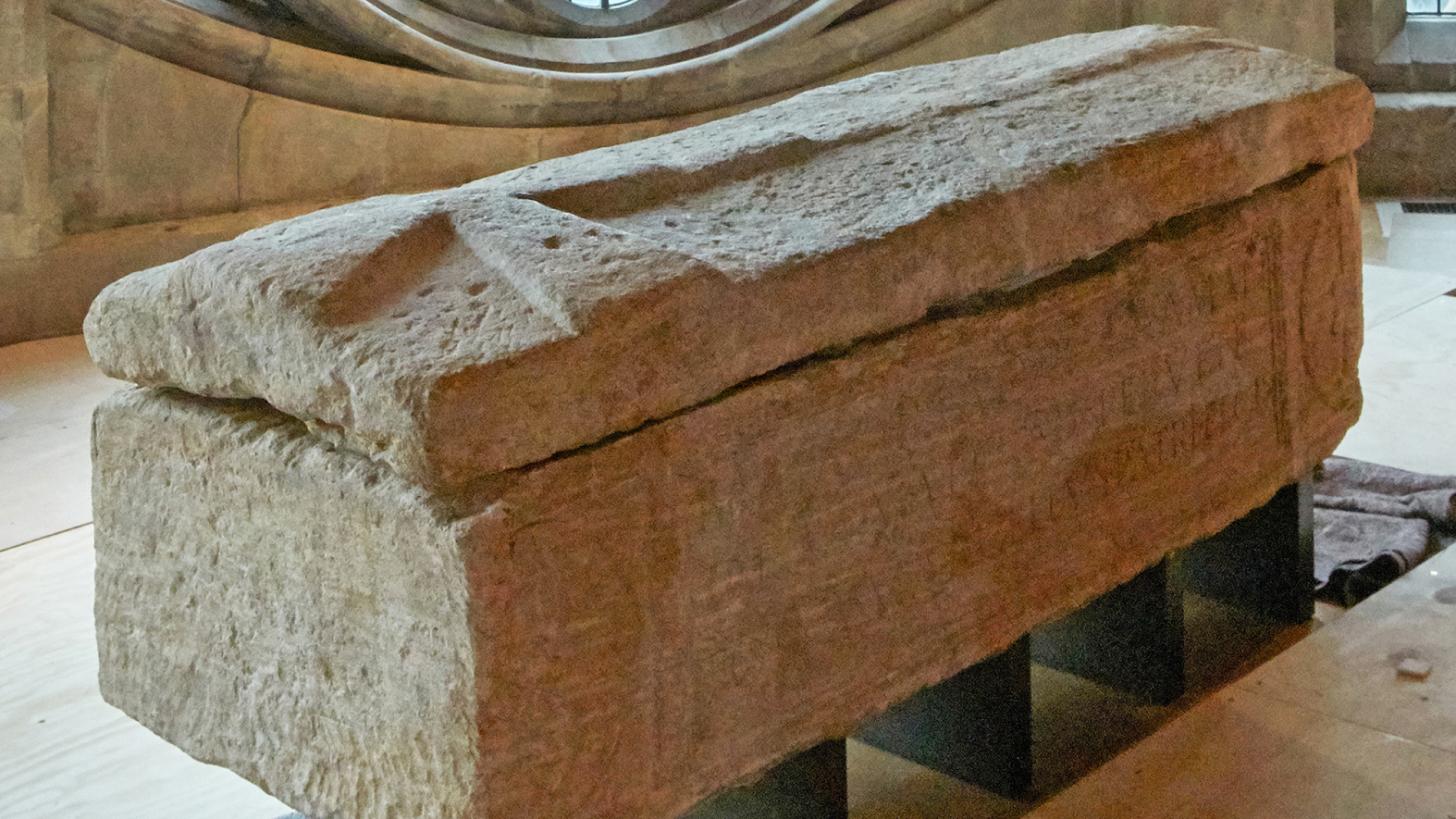
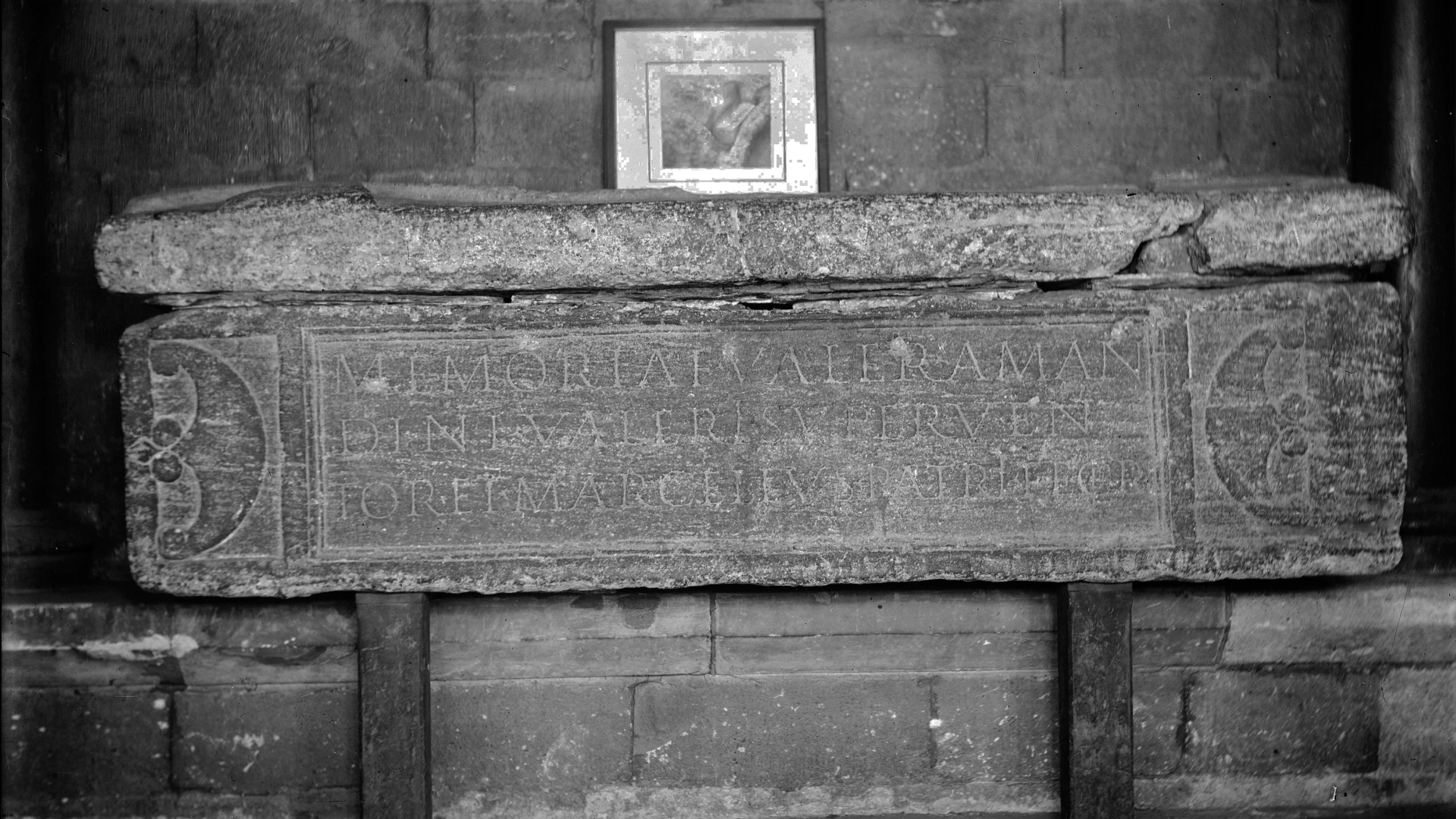
'> A fighter pilot had unexplained headaches for over a year. The cause was hiding in plain sight. Westminster's chief mason unearthed the stone sarcophagus in 1869, but when experts investigated it, they discovered that the burial had been looted earlier that century. Experts also noticed that the carved decoration on the side of the sarcophagus was stylistically Roman, with a Latin inscription that can be translated as "To the memory of Valerius Amandinus. Valerius Superventor and Marcellus made this for their father." But an enormous medieval cross had been carved into the lid of the sarcophagus, suggesting that the tomb had been reused to bury an important religious figure hundreds of years later.
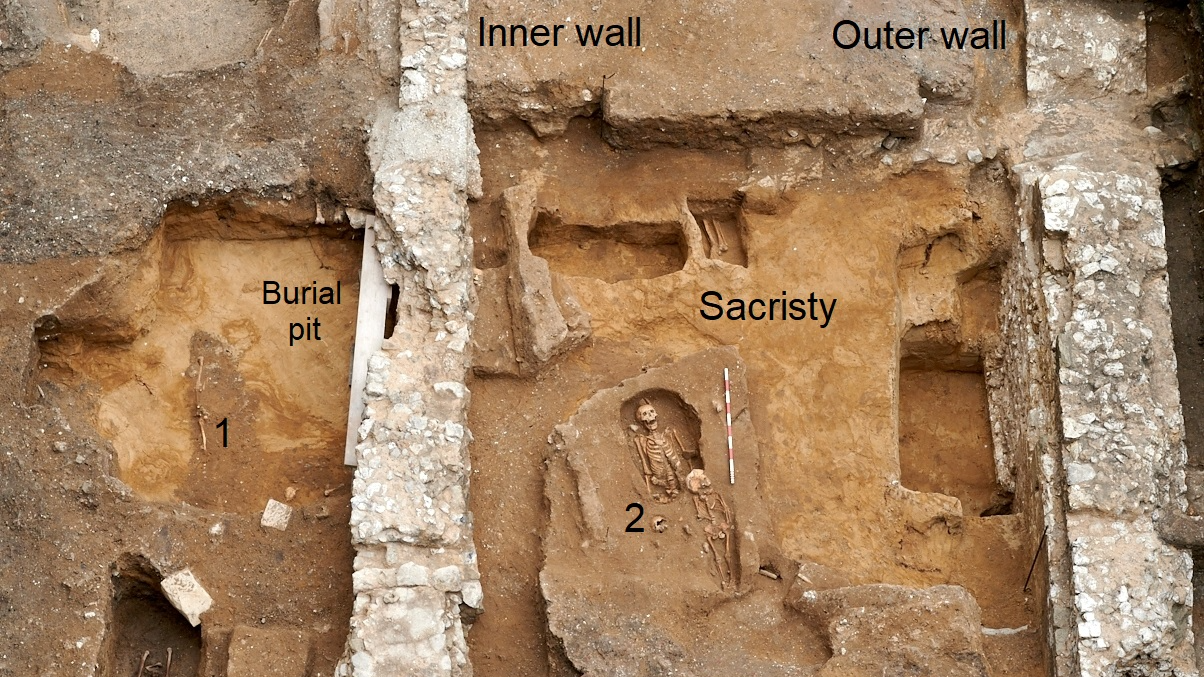
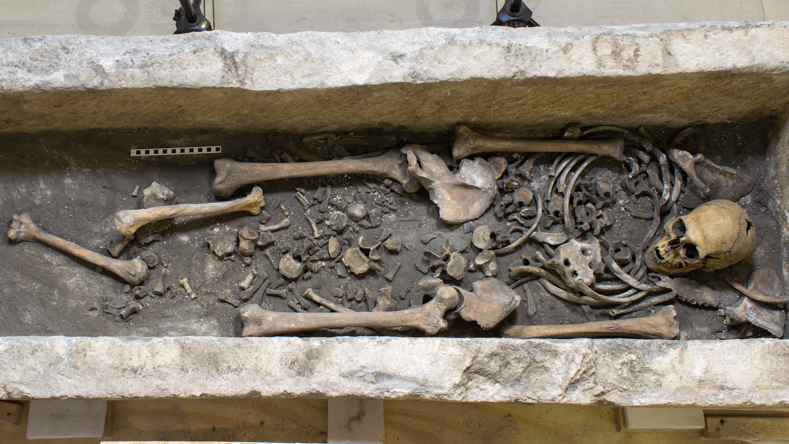
The mystery of the medieval individual buried in a Roman sarcophagus remained unsolved for 150 years, as no one thought that any bones were left inside. But when the stone coffin was opened for conservation in 2016 and a full skeleton was discovered, clues to the identity of the deceased finally came to light, Warwick Rodwell, the consultant archaeologist for Westminster Abbey, wrote in a study published Wednesday (Oct. 21) in the Journal of the British Archaeological Association.
Although the skeleton had been disturbed over the years, with a hole accidentally made in the skull and arm and leg bones mixed up, it was clear that the person was male, middle-aged, and of average height, bioarchaeologist James Langthorne of Pre-Construct Archaeology wrote in a 2016 report. The man also had some evidence of osteoarthritis, two healed rib injuries and gout. The bones were carbon-dated to between 987 and 1052, confirming that the Roman-era sarcophagus was reused in the Middle Ages.
 Dean & Chapter of Westminster
 Dean & Chapter of Westminster
 © Pre-Construct Archaeology Ltd; (CC-BY-ND 4.0)
 © Pre-Construct Archaeology Ltd; (CC-BY-ND 4.0)
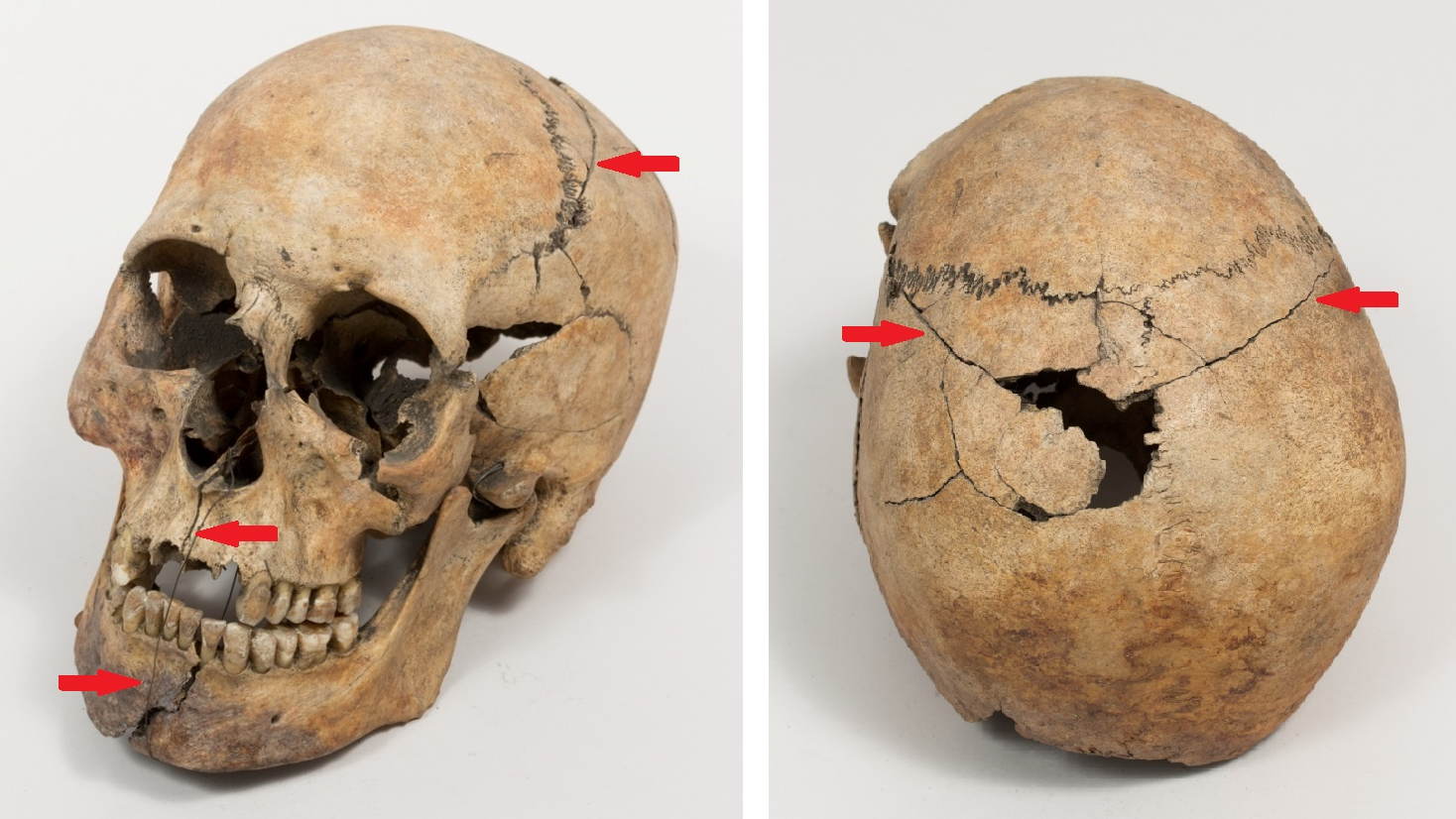 © Pre-Construct Archaeology Ltd; (CC-BY-ND 4.0)
"This brings us to the final question of importance: who was he?" Rodwell wrote in the study. Despite the lack of grave goods, which may have been stolen in the early 19th century, "he was almost certainly an abbot" who was given a dignified burial in a stone sarcophagus with a large cross, Rodwell wrote.
Based on the birth and death dates of the abbots of Westminster and their tenure as clergy, Rodwell narrowed the candidates down to Wulfsige (abbot from 988 to 993), Ælfwig (abbot from 993 to 1020) and Wulfnoth (abbot from 1020 to 1049). Given that Wulfsige left Westminster to become a bishop elsewhere, he was likely not buried in the abbey.
"Consequently, we have two viable contenders for the occupant of the sarcophagus," Rodwell wrote. "The fact that Ælfwig was already a monk of Westminster might favour him."
Although the final resting place of Ælfwig may have been found after a millennium, some questions remain unanswered.
For example, it is unclear why an 11th-century abbot was buried in a recycled fourth-century Roman sarcophagus. The reuse of Roman coffins is extremely unusual, Rodwell noted in the study, and nothing comparable to this sarcophagus has ever been found. One explanation for the reuse may rest with the Latin inscription, whose first word — "memoriae" (to the memory) — suggests that Valerius Amandinus was an early Christian himself. This Roman may have been a significant figure in Roman London, Rodwell wrote, but "unfortunately, nothing is known about his career."
Experts are also unsure where the Roman sarcophagus came from. It was made from limestone sourced from Oxfordshire, a county in the South of England. But perhaps the coffin was originally buried in a Roman mausoleum and they were unearthed and moved at some point, Rodwell noted. But as Rodwell pointed out in the study, "there could be a villa and its cemetery somewhere in the vicinity of Westminster Abbey, awaiting discovery."
The sarcophagus is currently on display in the Queen’s Diamond Jubilee Galleries at Westminster Abbey.
What do you know about the Empire's conquest of the British Isles? Find out with our Roman Britain quiz!
'> Case of mysterious medieval skeleton buried in Roman-era sarcophagus at Westminster Abbey finally solved While research has long linked a scrambled circadian rhythm to a risk of mood disorders, neuroscientists are now proposing that these disruptions define a specific form of depression that they call "circadian depression." First conceptualized in 2021, the body-clock subtype may affect about 1 in 4 people with severe, recurrent or persistent depression, the researchers estimate.
In their new study, published Wednesday (Oct. 21) in The British Journal of Psychiatry, the team identified the subtype in about 2,600 people out of over 11,000 evaluated.
"Circadian depression is a biologically informed subtype," said study co-author Emiliana Tonini, a neuroscientist at the University of Sydney. "Unlike subtypes defined mainly by symptoms, the core feature here is a disturbed circadian system, which common antidepressants may not fully address," Tonini told Live Science in an email.
The researchers think treatments that target the sleep-wake system, such as the sleep hormone melatonin or bright light therapy, might be beneficial for people with this subtype. However, because the subtype is still a proposal and not formally established yet, other experts say that further research is needed before the findings can inform clinical practice.
More than just bad sleep
Tonini and her team analyzed data from 11,380 adults ages 18 to 90 who took part in the Australian Genetics of Depression Study (AGDS), a nationwide study exploring how genes and life experiences influence depression and responses to treatment. They classified participants under the "circadian" umbrella if they had at least three of six features: seasonal mood swings, late sleep schedules, social jet lag (a mismatch between sleep routine during workdays and free days), night-owl habits, excessive sleep (hypersomnia), and fatigue upon waking.
A total of 2,604 people fit the proposed subtype. Compared with others in the AGDS cohort, this group was younger and developed depression earlier in life — around 19, compared with about 23 for the rest of the cohort.
The group also skewed female, and individuals reported greater psychological distress, frequent suicidal thoughts and more physical complaints than people who didn't fit the proposed subtype. Some experienced weight gain during depressive episodes and symptoms resembling hypomania, a revved-up state of elevated mood and energy that's milder than full-blown mania.
However, having this constellation of symptoms doesn't mean someone's biological clock is disrupted, said Brant Hasler, a psychologist and sleep researcher at the University of Pittsburgh who was not involved in the study. The researchers relied on the participants' self-reports of their sleep patterns; that data correlates only modestly with direct measures of circadian timing, such as measurements of melatonin in saliva, he said in an email.
"One can identify as an evening-type, and report later sleep timing, and still have physiological circadian timing that is not particularly delayed," he said.
So, in addition to checking symptoms, the team hunted for genetic clues underlying the proposed subtype. They analyzed DNA from participants' saliva samples and calculated "polygenic risk scores," which add up the influence of thousands of different genetic variants to estimate how likely someone is to develop a given condition.
The body's sleep-wake cycle is largely controlled by a hub of cells within the hypothalamus (red). (Image credit: SEBASTIAN KAULITZKI/SCIENCE PHOTO LIBRARY via Getty Images)"Mental health conditions are shaped by hundreds or thousands of variants that each add a small amount of risk, so everyone carries a unique 'portfolio' of risk," Tonini explained.
People in the circadian group had a higher genetic risk for depression, anxiety, attention-deficit/hyperactivity disorder (ADHD) and bipolar disorder, the analysis suggested. They also had a greater genetic risk of higher body weight, insulin resistance, inflammation, insomnia and late-night sleep habits, compared with the other study participants.
This suggests "circadian depression is more than just 'depression with bad sleep,'" Tonini said. "It involves a mix of metabolic, inflammatory, circadian, and mood-related processes."
Could this change depression treatment?
The researchers looked at the participants' past experiences with antidepressants, finding that the circadian group reported less benefit from common medications, such as selective serotonin reuptake inhibitors (SSRIs) and serotonin-norepinephrine reuptake inhibitors (SNRIs). Common examples include the SSRI Lexapro and the SNRI Cymbalta.
The circadian group also experienced more side effects from these treatments, such as drowsiness, nausea, anxiety and weight gain.
"If circadian disruption is a core biological mechanism in these individuals, treatments that fail to address those abnormalities may naturally be less effective," said Dr. Ruth Benca, a psychiatrist and sleep researcher at Wake Forest University School of Medicine who was not involved in the study. However, Benca cautioned that body-clock disruption may not be the only reason standard drugs fall short for these patients.
"People with more pronounced circadian disturbances often have more severe illness and other psychiatric conditions, which can contribute to treatment resistance," Benca told Live Science in an email.
Even so, tracking sleep, measurements of circadian rhythm, and seasonal shifts in mood could help clinicians identify at-risk patients earlier and select more effective treatments sooner in the course of illness, Benca suggested. "Potential approaches include behavioral routines, structured sleep schedules, or chronotherapy," in which the timing of medication or light exposure is strategically coordinated with internal body rhythms, she added.
Clinical trials are still needed to draw firm conclusions about potential treatments, Tonini noted. The findings also must be validated in broader populations, since the study drew on a single Australian cohort and its genetic analysis included only people of European ancestry.
For now, "the study is an important step toward a more personalized treatment approach," she said.
This article is for informational purposes only and is not meant to offer medical advice.
See how much you know about the most complex organ in the human body with our brain quiz!
'> Could 'body clocks' play a role in depression? Study proposes a new 'circadian' subtype